



How Does Hands-Free Driving Assist Work on the 2026 Subaru Outback for La Mesa, CA Drivers?
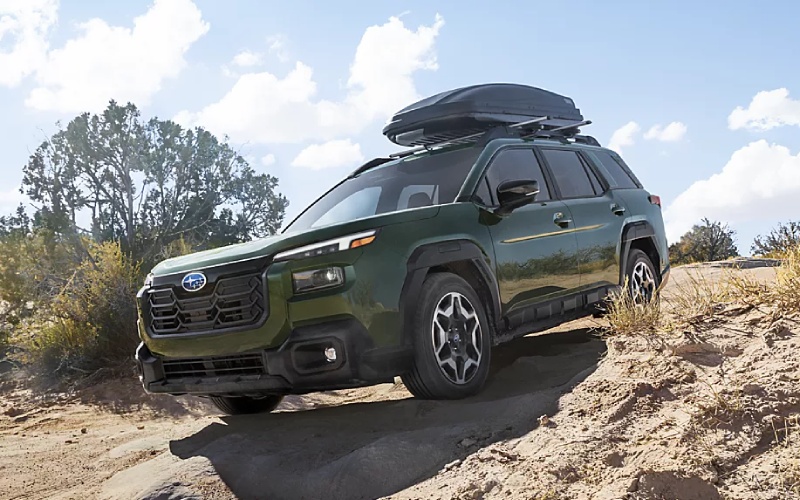
Summit Subaru El Cajon – How Does Hands-Free Driving Assist Work on the 2026 Subaru Outback for La Mesa, CA Drivers?
Driver assistance technology has evolved quickly, and Subaru’s latest step is a standout: available Hands-Free Driving Assist on select 2026 Outback models. If you drive La Mesa roads every day, you may be wondering how this feature fits your routine, how it interacts with other systems, and what it realistically does on California highways. Let’s unpack how the technology works, where it shines, and the role you still play behind the wheel.
The short version is this: the 2026 Outback’s available Hands-Free Driving Assist is part of Subaru’s latest EyeSight® Driver Assist Technology. It integrates triple forward-facing cameras with newly added radar sensors and advanced software to help steer, accelerate, and brake on compatible highways up to 85 mph. You remain in charge, supervising the system and ready to take over at any time. Think of it as a high-confidence co-pilot that eases fatigue on long stretches and heavy-traffic commutes without replacing the driver.
How the System Sees the Road
At the core is an expanded sensor suite. Three cameras broaden the EyeSight® field of view compared to previous generations, while radar units add depth perception and help better identify vehicles, cyclists, and lane markings at speed. The system continuously fuses camera and radar information to model what is happening around the Outback, then makes small, frequent adjustments to hold your lane and maintain a safe gap to traffic ahead.
This sensor fusion is why the feature is so helpful between La Mesa and downtown or across I-8 and SR-125. The Outback can adjust organically as traffic ebbs and flows, while the driver stays attentive yet less tense.
What Hands-Free Driving Assist Does
When engaged on compatible highways, the Outback can manage steering, throttle, and brakes while you supervise with eyes up. It pairs with Advanced Adaptive Cruise Control and Lane Centering to keep you comfortably in your lane and distanced from other vehicles. It also works with several related upgrades designed to reduce the mental overhead of highway travel.
- Pre-Curve Speed Control to help slow before bends
- Highway Automatic Resume Assist to smoothly re-accelerate after a pause
- Highway Active Lane Change Assist for supervised lane changes when you signal
Each function supports smoother flow on busy corridors. For example, Pre-Curve Speed Control can ease speed just before a sweeping bend on SR-52, while Automatic Resume Assist helps you transition back to cruising after stop-and-go traffic clears.
Your Role Behind the Wheel
It is essential to remember that Hands-Free Driving Assist is driver-supervised. You must remain attentive, ready to intervene immediately if conditions change. The Outback monitors engagement through steering wheel input and driver-facing cues, and it can issue warnings if your attention drifts. If you do not respond to escalating alerts, Emergency Stop Assist with Safe Lane Selection can pull the vehicle to the shoulder, activate hazard lights, contact emergency services, and unlock the doors for first responders.
In other words, Subaru engineered thoughtful layers of support for real life. The system does not encourage zoning out; it helps you stay fresher and more composed when traffic and distance would otherwise take a toll.
How It Coordinates With Other Outback Tech
The 2026 Outback’s new 12.3-inch digital gauge cluster can present an EyeSight®-centric view showing surrounding vehicles, making the system’s behavior easier to understand at a glance. Meanwhile, the 12.1-inch Subaru Multimedia touchscreen moves climate controls to dedicated hard buttons beneath, reducing screen taps so you can pay more attention to the road. The net effect is cohesive: displays that clarify the tech and tactile controls that keep key functions simple.
Pair that with the revised Symmetrical All-Wheel Drive tuning and a steering rack adapted from the WRX, and you get a highway partner that feels planted and precise when the lane assist eases the workload.
When To Use It, When To Drive Manually
Use Hands-Free Driving Assist on compatible highways with clear lane markings and cooperative traffic flow—think I-8, I-5, or stretches of SR-94. If weather or construction obscures markings, or you encounter complex merges, assume manual control. Likewise, winding two-lanes east of El Cajon or narrow urban streets are better suited to conventional driving, with EyeSight® still standing by for alerts and braking support.
For drivers who split time between La Mesa errands and weekend getaways, the feature’s best moment is that long, straight segment home when the sun is low and traffic requires patience. The system helps you stay calm and consistent while you remain decisively in charge.
Compatibility With Other Trims and Features
Hands-Free Driving Assist is available on select trims equipped with the most advanced EyeSight® package. If you also want capability for dirt roads, the Wilderness model remains a great fit for adventure, with 9.5 inches of ground clearance, 17-inch wheels on all-terrain tires, a front skid plate, and Dual-function X-MODE®. You can have both a tech-forward highway companion and an off-pavement specialist in the same vehicle—just choose the configuration that aligns with your priorities.
No matter which trim you choose, every Outback brings the fundamentals: standard Symmetrical All-Wheel Drive, 8.7 inches of ground clearance, and the choice between a responsive 2.5-liter SUBARU BOXER® engine or the 260-hp 2.4-liter turbo.
Living With It Day to Day
Beyond the highway assist, daily ease comes from the Outback’s quieter cabin and low-fatigue seats engineered to reduce head movement and improve posture on longer drives. The revised cargo area—now 34.6 cubic feet—makes school runs and home store trips simpler, and the raised roof rails offer 800 pounds of static capacity, 220 pounds dynamic, and even lateral load capability. Whether you are hauling bikes or prepping a rooftop tent, the hardware is genuinely useful.
Pair your phone wirelessly to Apple CarPlay® or Android AutoTM, set the digital cluster to Calm Mode on longer commutes, and make the Outback your stress-resistant space between meetings and meetups.
Frequently Asked Questions:
Can I take my hands off the wheel completely with Hands-Free Driving Assist?
On compatible highways and within system limits, the feature can manage steering, acceleration, and braking up to 85 mph with driver supervision. You must remain attentive and ready to take over at any time. It is a driver-assistance feature, not a replacement for an engaged driver.
How do I know if a road is compatible?
The system looks for clear lane markings and highway-type conditions. It may not engage if markings are obscured, weather is severe, or the lane layout is complex due to construction. The Outback will indicate availability and status on the instrument cluster.
Does Active Lane Change Assist work by itself?
Highway Active Lane Change Assist requires your turn signal to initiate and works only on compatible highways with Hands-Free Driving Assist engaged. The system checks if the lane change appears safe before performing the maneuver under your supervision.
What happens if I do not respond to warnings?
If the vehicle detects that the driver is unresponsive while advanced assistance is active, Emergency Stop Assist with Safe Lane Selection can help guide the Outback to the shoulder, activate hazard lights, contact emergency services, and unlock the doors for first responders.
When you are ready to try it, schedule a demonstration drive and bring your questions. Summit Subaru El Cajon will help you explore the feature set comfortably and responsibly, serving Chula Vista, El Centro, and La Mesa with hands-on guidance tailored to your daily routes.
0 comment(s) so far on How Does Hands-Free Driving Assist Work on the 2026 Subaru Outback for La Mesa, CA Drivers?